Merck
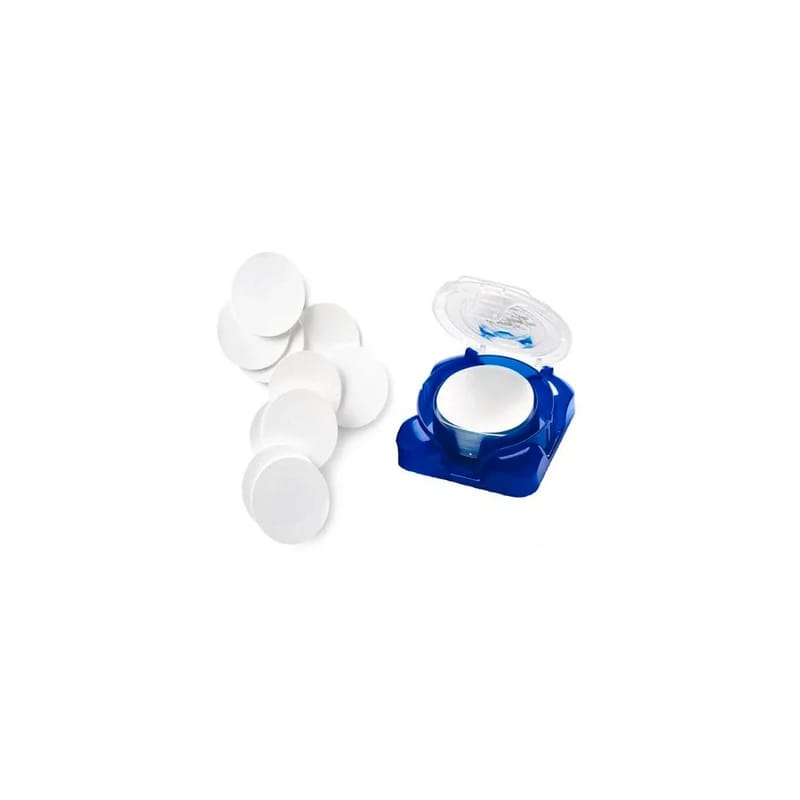
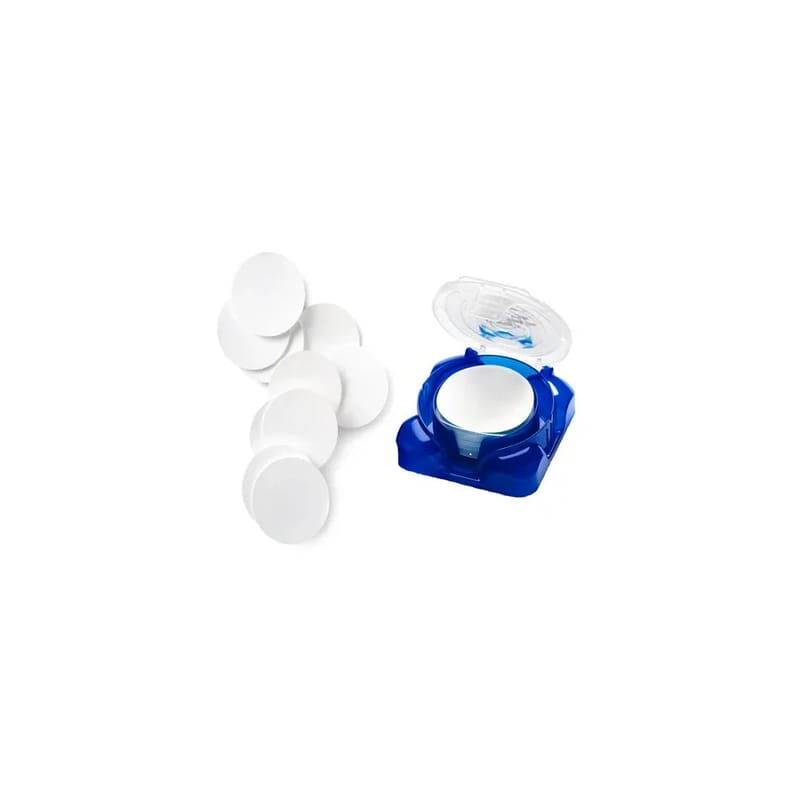
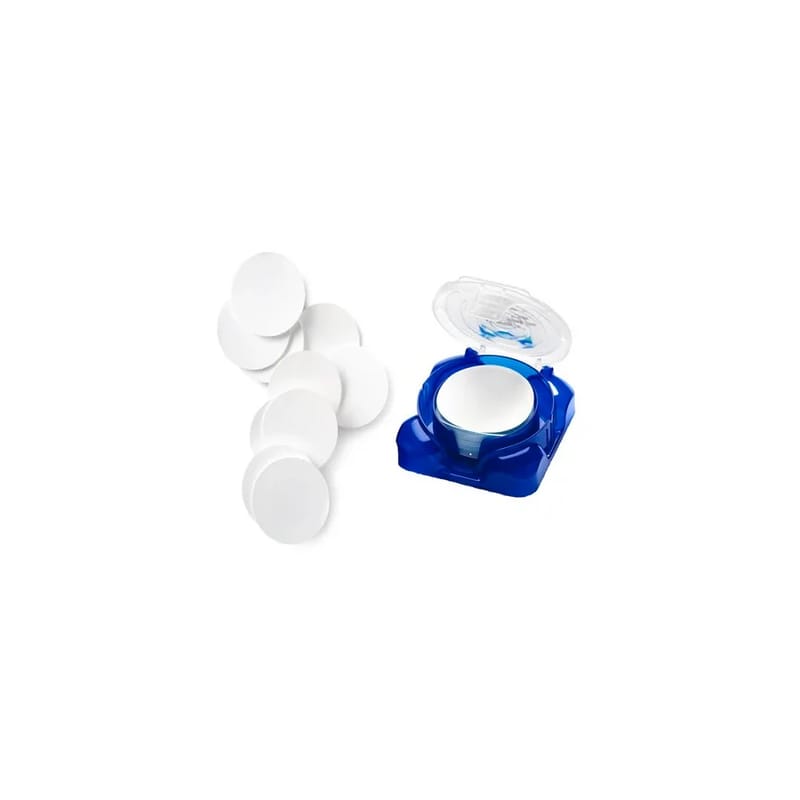
Corning®square glass fiber prefilter
SKU · CLS431410-100EA
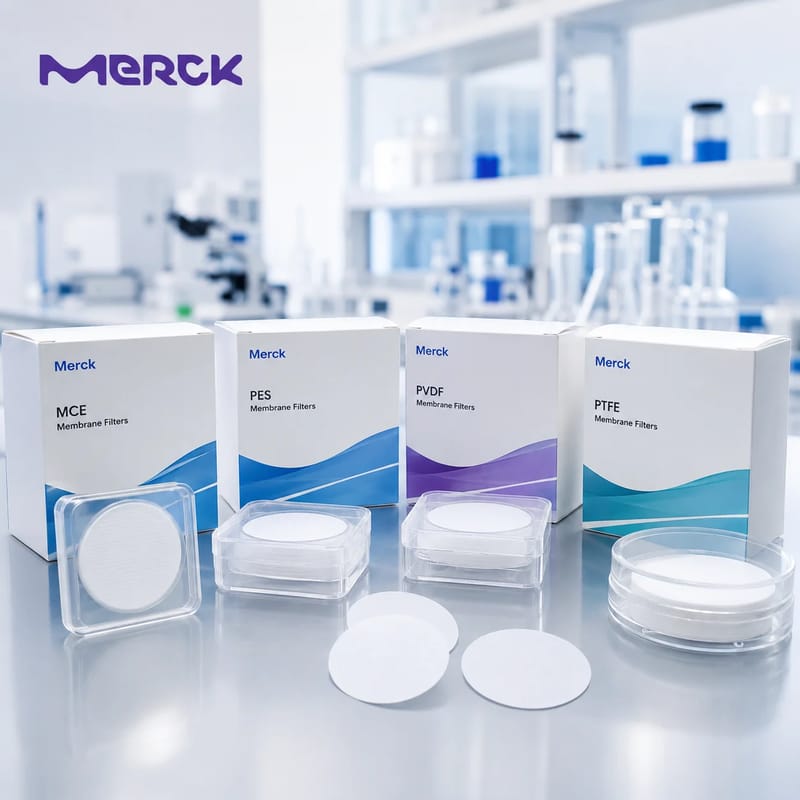
When precision matters, Merck Millipore laboratory filter membranes deliver trusted performance for a broad range of research and industrial settings. Backed by decades of filtration expertise, Merck’s membranes are designed to ensure sample integrity, reproducible results, and enhanced laboratory safety. Whether you’re working in academic research, pharmaceuticals, environmental monitoring, or biotechnology, these filter membranes provide the purity and reliability your workflows demand.
Filter membranes are essential for routine sample preparation, microbiological analysis, sterile filtration, protein and nucleic acid separation, and quality control. By eliminating particulates and microorganisms, they help protect downstream processes and analytical instruments while supporting compliance with rigorous quality standards.
Merck laboratory filter membranes are engineered for versatility and high performance. Key application areas include:
With high flow rates, precise pore size distributions, broad chemical compatibility, and options for low protein binding, Merck membranes simplify daily lab operations. Sterile, pre-assembled formats are available to reduce contamination risk and save time.
Merck offers a comprehensive portfolio of filter membranes to match your exact requirements. Each membrane type brings unique strengths for specific tasks:
| Membrane Type | Key Features & Advantages | Typical Applications |
|---|---|---|
| MCE (Mixed Cellulose Ester) | High protein binding, excellent for colony counting, available in sterile options | Microbial analysis, water testing, particle monitoring |
| PES (Polyethersulfone; Millipore Express™) | Low protein binding, high flow rates, strong chemical resistance | Sterile filtration of media, buffers, biological samples |
| PVDF (Durapore®) | Low extractables, broad solvent compatibility, hydrophilic/hydrophobic options | HPLC sample prep, solvent filtration, protein analysis |
| PTFE | Chemically inert, withstands aggressive solvents and acids, hydrophobic | Air/gas filtration, solvent filtration, sterilization of corrosive solutions |
| Nylon | Hydrophilic, good for both aqueous and some organic solvents | General laboratory filtration, sample preparation |

These material options ensure you can optimize both performance and economy in your specific workflows, from high-throughput screening to stringent regulatory applications.
Below is a selection of high-demand Merck filter membranes, highlighting their core technical attributes. All SKUs and specifications align with Merck’s official documentation.
| SKU | Material | Pore Size | Diameter | Sterility | Packaging | Typical Use |
|---|---|---|---|---|---|---|
| GSWP04700 | MCE | 0.22 µm | 47 mm | Non-sterile | 100/pack | Microbial analysis |
| GSWP01300 | MCE | 0.22 µm | 13 mm | Non-sterile | 100/pack | Particle monitoring |
| GPWP04700 | PES | 0.22 µm | 47 mm | Sterile | 50/pack | Sterile filtration |
| HVLP04700 | PVDF | 0.45 µm | 47 mm | Non-sterile | 100/pack | HPLC sample prep |
| GVHP04700 | PVDF | 0.22 µm | 47 mm | Non-sterile | 100/pack | Protein analysis |
| FHLC04700 | PTFE | 0.45 µm | 47 mm | Non-sterile | 100/pack | Solvent filtration |
| HATF04700 | Nylon | 0.2 µm | 47 mm | Non-sterile | 100/pack | General filtration |

All products undergo rigorous QC testing and are supplied with detailed technical documentation.
1. How do I select the right pore size?
2. Which membrane should I use for proteins or sensitive biological samples?
PES and PVDF membranes are preferred due to their low protein binding and minimal extractables.
3. Can these filters handle organic solvents?
PVDF and PTFE membranes are excellent for aggressive or organic solvents, while MCE and PES are better suited to aqueous solutions.
4. How should I store unused filter membranes?
Store in a dry, room-temperature environment, away from direct sunlight and corrosive vapors. Sealed packaging extends shelf life and sterility.
5. Are sterile membranes required for all applications?
Sterile membranes are essential for cell culture, clinical, or critical QA workflows, but non-sterile options are suitable for general analytical or research tasks.
Selecting Merck Millipore filter membranes ensures you benefit from industry-leading quality, technical support, and continuous innovation. By choosing genuine products, you safeguard your experimental results and ensure reproducibility—whether for daily lab tasks or regulatory audits.
For detailed product information, competitive quotations, or technical support, reach out to reliable distributors like Iright (iright.com). Their team provides expert advice and responsive service to help you find the ideal filtration solutions for your lab.
Filter this collection by brand or tags.