Description
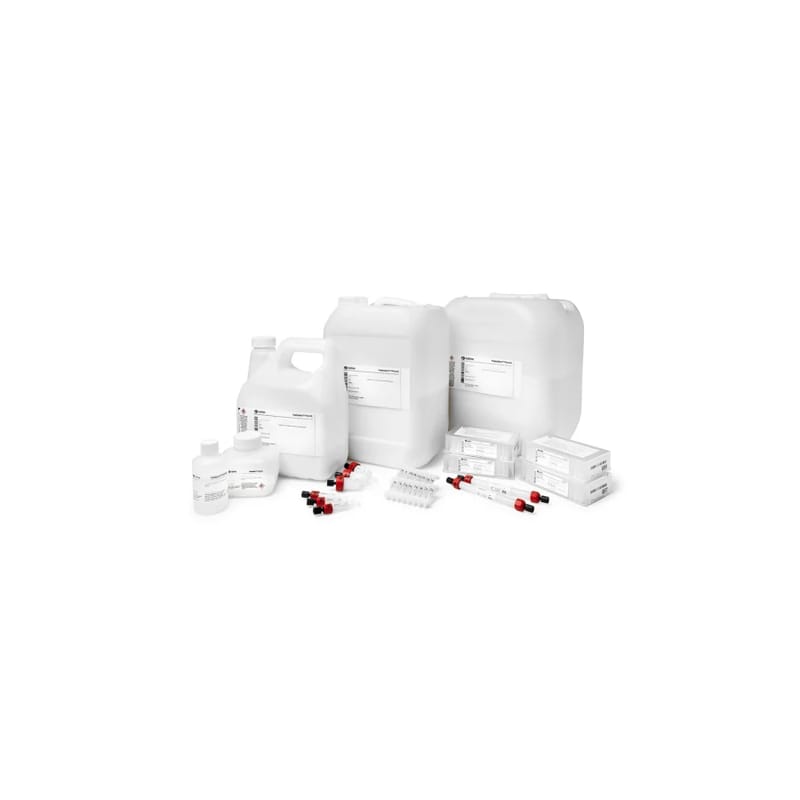
The Direct RT-qPCR Kit includes the Anti-Inhibitor Complex (AIC Mix), RT-qPCR enzyme master mix and reconstitution buffer. The kit broadens the spectrum of viral nucleic acid targets and pathogens that can be detected directly from unpurified biological nasopharyngeal, nose or throat samples in universal transfer medium (UTM). The Direct RT-qPCR Kit offers rapid and accurate detection of viral pathogens for the successful control and management of epidemics such as COVID-19. The kit can help reduce result turnaround times in pathogen detection and retesting of samples with an initial negative result. Read application note: An extraction-free method for sensitive detection of viral RNA using direct RT-PCR chemistry AIC Mix Our proprietary Anti-Inhibitor Complex (AIC Mix) combined with stabilized RT-qPCR master mix is optimized for the direct detection of SARS-CoV-2 viral particles down to 10 copies per reaction. This kit produces rapid, high-quality quantitative results. The AIC Mix protects the RNA during lysis and results in minimal sample loss compared to alternative extraction methods. The AIC Mix is available for use with other One-Step RT-qPCR master mixes. RT-qPCR Kit The RT-qPCR Kit is optimized for one-step RT-qPCR quantification of RNA templates, including viral RNA e.g. SARS-CoV-2, from a wide range of samples via probe detection. The mastermix uses proprietary reverse transcriptase technology and reconstitution buffer for efficient cDNA synthesis and qPCR in a single tube. The kit provides high specificity and sensitivity in simplex and multiplex pathogen detection of low-copy-number targets. The RT-qPCR master mix is supplied as a 5 x premix in a Lyophilized format to facilitate storage at room temperature, allow ease of use when preparing reaction mix and to encourage sustainability by eliminating cold chain. Direct RT-PCR chemistry offers a convenient alternative in nucleic acid test (NAT) protocols. The method can be seamlessly integrated into automated workflows to meet different throughput needs. Using this approach, testing labs can streamline NAT workflows accelerate high throughput testing reduce chances of cross contamination and the associated equipment costs *For research use only.